Why Butt Weld Pipe Fittings Matter for Industrial Piping Systems
The Role of Butt Weld Pipe Fittings in Reliable Piping Networks
In any industrial piping system, the quality of joints often determines the overall performance and safety of the installation. Among the various connection methods available, butt weld pipe fittings stand out for their ability to create strong, leak-proof connections that can handle high pressures and extreme temperatures. While threaded or flanged joints have their own uses, butt welding offers a permanent, smooth-bore connection that reduces turbulence and potential failure points. This makes it a preferred choice for critical applications in sectors like oil and gas, chemical processing, and power generation.
The term "butt weld" refers to the process of aligning two pipe ends or a pipe end and a fitting squarely together and then fusing them through welding. Unlike socket welding or brazing, where one piece fits inside another, butt welding creates a joint where the wall thickness is consistent across the connection. This results in a stronger union that can withstand higher stress concentrations. For engineers and maintenance teams designing or upgrading piping systems, understanding the nuances of these fittings is essential for long-term reliability.
Where Butt Weld Pipe Fittings Excel
Butt weld pipe fittings are commonly used in high-pressure pipelines, where the integrity of each joint is critical. These fittings are available in a variety of materials, including stainless steel, carbon steel, and copper nickel alloys. The choice of material depends on the fluid being transported, the operating environment, and the required corrosion resistance. For example, in offshore or marine environments where saltwater exposure is a concern, copper nickel fittings provide excellent resistance to corrosion and biofouling. In contrast, carbon steel might be chosen for its strength and cost-effectiveness in less corrosive settings.
The manufacturing of butt weld pipe fittings follows strict standards set by organizations such as ASME, ANSI, and ASTM. These standards ensure dimensional consistency and material properties, which are vital for achieving reliable welded joints. A fitting that deviates from standard dimensions can lead to improper weld penetration, weak spots, or misalignment. That is why sourcing fittings from reputable suppliers who adhere to these standards is a necessary step in any project involving butt weld pipe fittings.

Key Applications in Industry
Butt weld pipe fittings are not limited to one type of system. They are found in:
- High-pressure steam and condensate lines in power plants
- Hydraulic systems used in heavy machinery and manufacturing
- Pneumatic systems that require clean, obstruction-free airflow
- Sanitary fittings in food, beverage, and pharmaceutical processing
- Process piping in chemical plants where leak integrity is paramount
Each of these applications demands a joint that can handle repeated thermal cycles, vibration, and pressure surges without failing. Butt welding delivers that performance, provided the welding procedure is executed correctly and the filler metal matches the base material.
Welding Techniques for Butt Weld Joints
Two common welding methods for butt weld pipe fittings are TIG welding and orbital welding. TIG welding, or gas tungsten arc welding, offers precise control over the heat input and filler metal deposition. It is especially useful for thin-walled pipes and materials like stainless steel or copper nickel, where overheating can cause distortion or loss of corrosion resistance. Orbital welding, often automated, rotates the welding head around the pipe joint to produce a consistent bead. This method is popular in high-production settings, such as semiconductor fabrication or pharmaceutical piping, where repeatability and speed matter.
Regardless of the technique, proper preparation is crucial. The pipe ends must be cut square, deburred, and cleaned of any oil, dirt, or oxidation. The gap between the two pieces should be even and within the limits specified by the welding procedure. A skilled welder will also consider the heat-affected zone and ensure that the weld pool fully penetrates the joint without creating excessive reinforcement that could trap contaminants.
Material Selection Considerations
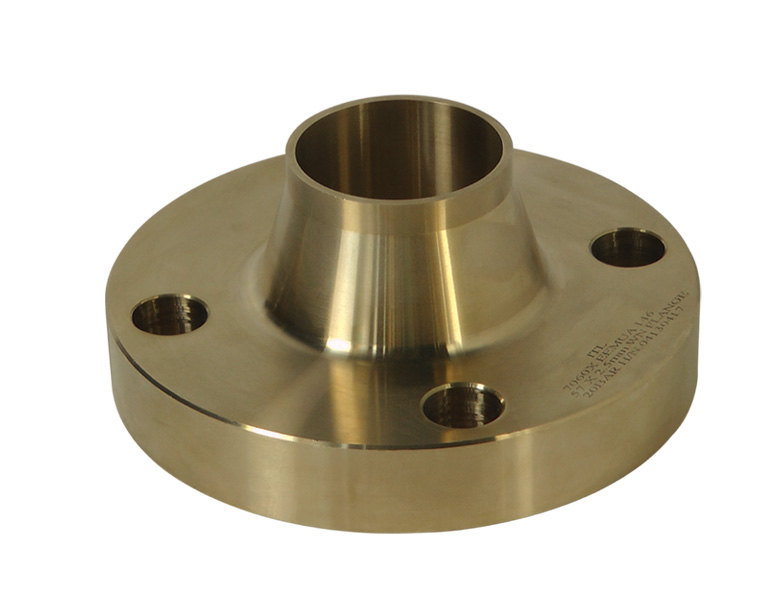
When selecting butt weld pipe fittings, one must consider the compatibility of the fitting material with the pipe material. For instance, using stainless steel fittings with carbon steel pipes without proper transition techniques can lead to galvanic corrosion. Similarly, copper nickel fittings require careful control of welding parameters to avoid cracking or porosity. Suppliers like athical.com, based in Singapore, offer a range of copper nickel fittings and butt weld pipe fittings tailored for industrial applications. Singapore's strategic location as a global trade hub means that such suppliers can source high-quality materials from multiple regions, ensuring consistent supply for projects across Asia and beyond.
For applications involving aggressive chemicals or high-purity requirements, the smooth internal surface of a butt-welded joint is a significant advantage. Unlike threaded fittings, which have crevices where bacteria or deposits can accumulate, a properly made butt weld leaves no gaps. This makes it the standard for sanitary fittings in industries where cleanliness is non-negotiable.
Common Challenges and How to Address Them
Working with butt weld pipe fittings is not without its challenges. One common issue is misalignment, where the two pipes are not perfectly coaxial. This can create a weak joint or cause the weld to be thicker on one side. Using alignment clamps or a pipe stand can help maintain alignment during tack welding. Another challenge is controlling the heat input, especially with materials that have high thermal conductivity, like copper nickel. Too much heat can cause the metal to sag or burn through, while too little leads to incomplete fusion. Experienced welders often use a combination of preheat and interpass temperature control to manage this.
Another factor is the fit-up gap. ASME and ANSI standards provide guidelines for acceptable gaps based on pipe wall thickness and diameter. Exceeding these limits can result in a joint that fails under pressure. It is also important to use filler metal that matches the mechanical and corrosion properties of the base metal. For example, welding copper nickel fittings with a filler that has a different composition can create a galvanic cell within the joint, accelerating local corrosion.
Inspection and Quality Assurance
After welding, each joint should be inspected visually and, where required, tested using non-destructive methods such as radiography or dye penetrant inspection. This is especially important for high-pressure pipelines and systems handling hazardous fluids. The cost of a single joint failure can far exceed the cost of thorough inspection. For butt weld pipe fittings used in critical systems, some operators also require that welding procedures be qualified under ASME Section IX or similar standards to ensure consistent quality.
It is also worth noting that the skill level of the welder plays a large role in the final quality. Certification programs, such as those offered by the American Welding Society, help ensure that welders are competent in the specific processes they use. When a project involves many joints, it may be beneficial to have a single certified welder or a small team handle all the butt welding to maintain consistency.
Comparing Butt Weld to Other Joining Methods
While butt weld pipe fittings offer many advantages, they are not always the best choice. For example, in temporary installations or systems that require frequent disassembly, flanged or threaded joints are more practical. Butt welding is a permanent connection, meaning that any future modification requires cutting out the joint. Additionally, the initial cost of welding equipment and skilled labor can be higher than using mechanical joints. However, for permanent, high-integrity systems, the long-term benefits of reduced maintenance and lower leakage risk often outweigh the upfront investment.
Another comparison is with socket weld fittings, where the pipe fits into a socket before welding. Socket welds are easier to align but leave a crevice at the joint, which can trap debris and promote corrosion in certain environments. Butt welds, being flush, avoid this issue. For sanitary applications and high-purity fluid handling, butt welding is almost always the preferred method.
Conclusion
Butt weld pipe fittings represent a mature and highly reliable technology for constructing piping systems that must endure demanding conditions. Whether the material is stainless steel, carbon steel, or copper nickel, the principles of proper alignment, clean preparation, and controlled welding remain the same. By following established standards such as those from ASME, ANSI, and ASTM, and by using skilled welders and quality fittings, engineers can build systems that perform consistently over decades. For anyone involved in the design, specification, or maintenance of industrial piping, a solid understanding of butt weld pipe fittings is essential to making informed decisions that affect safety, efficiency, and operational costs.